
Module 5: Health and Hygiene
This lesson focuses on promoting health and hygiene in school environments when incorporating school dogs. It highlights the importance of preventing zoonotic diseases, maintaining the health of dogs through regular veterinary care, and implementing effective hygiene protocols for students and staff. By prioritising these measures, schools can ensure a safe, supportive, and enjoyable environment for everyone. The session will also guide schools on making informed decisions about having a school dog, aligning with best practices for public health.
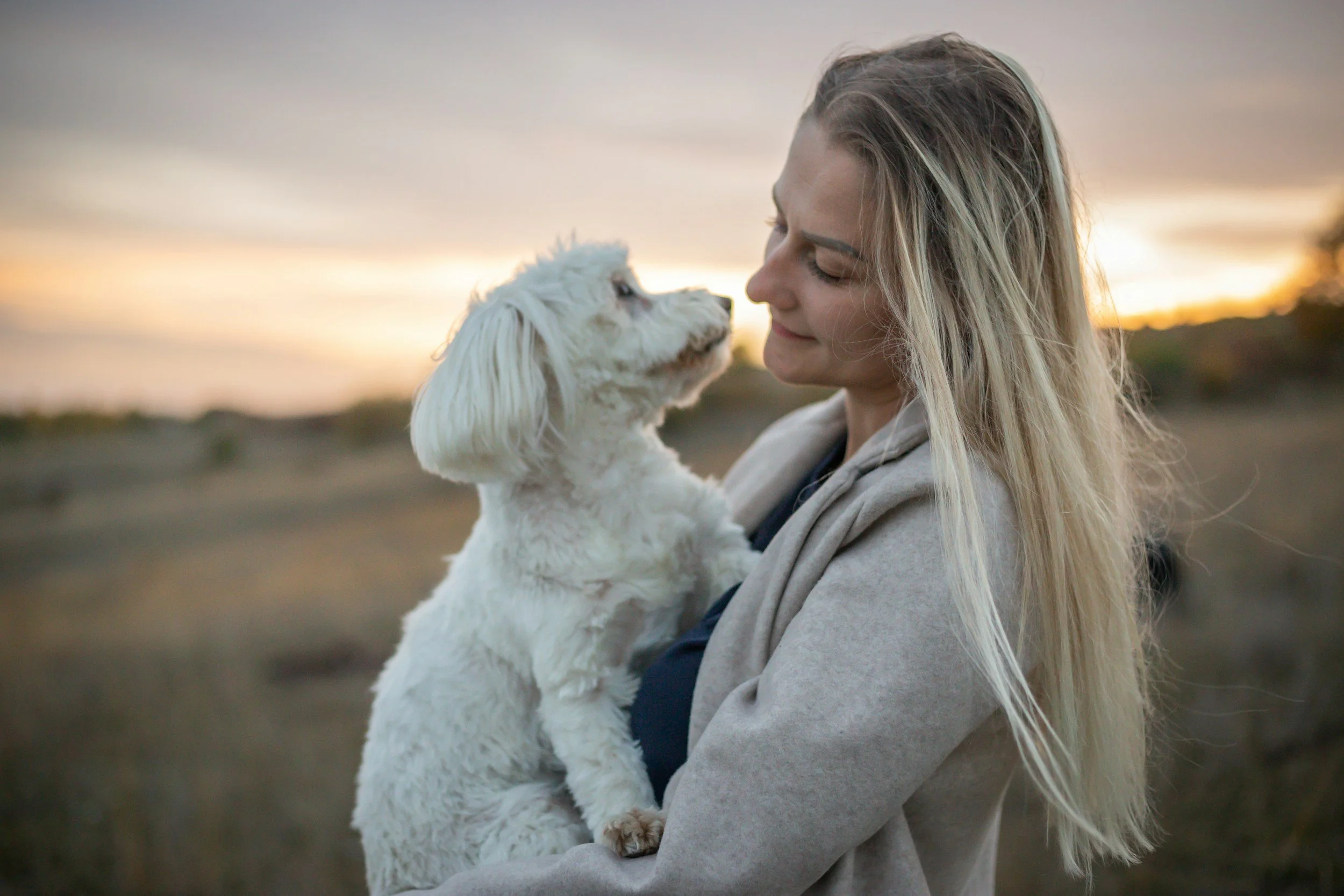
-

Understanding Zoonotic Diseases
What zoonotic diseases are, how they spread, and their potential impact in a school setting.
-

Health Maintenance for School Dogs
Key strategies for ensuring school dogs are vaccinated, free from parasites, and monitored for illnesses.
-

Hygiene Protocols for Schools
Guidelines for maintaining cleanliness and minimising risks, including handwashing and cleaning practices.
-

Considerations for Dogs in Schools
Questions to evaluate readiness for bringing a dog into a school environment, including cost, responsibility, and ongoing management.

In this video, we’ll focus on preventing zoonotic diseases in school environments to ensure the safety and well-being of both the school dog and students. While school dogs bring numerous benefits such as emotional support and connection, it’s essential to establish strong health and hygiene practices to minimise risks. We’ll cover common zoonotic diseases, hygiene protocols, and legal responsibilities, as well as the importance of protecting the dog from human-transmitted illnesses. You’ll also learn best practices for managing the dog’s health, including vaccination, grooming, and toileting routines, to ensure a clean, safe environment for all involved.
Preventing Zoonotic Diseases in School Environments
In this session, we’ll focus on preventing zoonotic diseases and promoting health and hygiene across the school community. While the idea of a school dog brings to mind warmth, connection, emotional safety, and joy, we must ensure that these benefits are supported by a solid foundation of risk awareness, hygiene practices, and proper care for the dog’s health. Health and hygiene principles are vital to maintaining safety, well-being, and trust for everyone involved.
Understanding Zoonotic Diseases
Zoonotic diseases are illnesses that can be transmitted from animals to humans, caused by bacteria, viruses, parasites, or fungi. Although interactions with well-cared-for dogs are generally safe, schools must understand how these diseases spread to protect their community. Children, particularly those under 10 or with compromised immune systems, are especially vulnerable.
Common Zoonotic Diseases:
Ringworm: A fungal infection that spreads through skin-to-skin contact or contaminated surfaces, including fur and soft furnishings.
Salmonella & Campylobacter: Bacterial infections transmitted through contact with faeces or contaminated environments.
Toxocariasis: Caused by roundworm larvae from dog faeces, which can cause vision loss in rare cases.
Giardia: A parasite leading to diarrhoea and stomach cramps, spread via contaminated water or faeces.
Leptospirosis: A bacterial infection transmitted through contact with the urine of infected animals, particularly in outdoor areas.
These infections can range from mild to severe and, in rare cases, lead to serious health complications or long-term health effects. It's vital to protect both the people and the animals involved, as this relates to public health, safeguarding, and legal duties under the Health and Safety at Work Act 1974 and COSHH Regulations 2002.
Reverse Zoonosis: When Humans Make Dogs Sick
Reverse zoonosis, or ‘anthroponosis,’ occurs when humans transmit illnesses to animals. Schools must be aware of this, as the school dog can be exposed to germs such as:
Human influenza and respiratory infections.
Gastrointestinal bugs like norovirus.
Drug-resistant bacteria like MRSA.
Though these often don’t harm healthy dogs, they can affect those with weaker immune systems. This highlights the importance of:
Limiting dog contact when students are ill.
Promoting good respiratory hygiene.
Ensuring the dog has proper rest, nutrition, and health checks.
Protecting the dog is just as essential as protecting the humans in the environment.
UK Law & School Responsibilities
UK legislation obliges schools to manage health and safety risks, including those from animals on site. Schools must comply with the Health and Safety at Work Act 1974, the COSHH Regulations 2002, and the Animal Welfare Act 2006 to safeguard the health and well-being of pupils, staff, and animals.
Introducing a dog into a school without proper health and hygiene protocols may be considered neglecting legal responsibilities, potentially leading to complaints, reputational damage, or even legal action. More importantly, it undermines the very purpose of the school dog programme, which is to support the health, learning, and wellbeing of students.
Hygiene Protocols for Schools
Hygiene protocols are essential for ensuring the school dog programme’s success. These protocols should be simple but consistently applied.
Key Hygiene Practices:
Hand Hygiene: Pupils and staff should wash their hands before and after interacting with the dog. Alcohol-based hand sanitiser is a useful backup, but it doesn’t replace soap and water.
Designated Dog Interaction Areas: These areas should be separate from food preparation or eating areas, and regularly cleaned.
Regular Cleaning of Shared Surfaces: This includes wiping down furniture, sanitising dog toys, and ensuring ‘dog-free zones’ in critical areas such as kitchens and science labs.
Staff Training: Staff should receive training in hygiene practices, and students should learn about these protocols through assemblies or lessons.
Dog Toileting – Best Practice in a School Setting
A clear toileting routine is crucial to prevent zoonotic disease transmission and maintain a professional atmosphere in the school.
Establishing a Toileting Routine:
Toileting should occur before arriving at school, during breaks, lunchtime, and after leaving school.
Ensure the dog has a structured, predictable schedule to avoid accidents inside the school.
Designated Toileting Area:
Should be away from high-traffic pupil areas and entrances.
Ideally located on grass or soft ground and clearly marked.
Used only by the school dog to prevent cross-contamination.
Cleaning & Waste Disposal:
Pick up dog waste immediately with waste bags and dispose of it in a dedicated dog waste bin.
Regularly check and clean the area, using pet-safe disinfectants if needed.
Carry waste bags, hand sanitiser, and antibacterial wipes in case of accidents.
Preventing Indoor Accidents
Occasionally, accidents happen. Here are key tips:
Never punish the dog for accidents—this increases anxiety.
Use animal-safe cleaners, not standard disinfectants, to properly eliminate odours and bacteria.
Record incidents in the school dog log to track behaviour and identify potential issues.
Toileting as a Learning Opportunity
Managing the dog’s toileting routine also provides a learning opportunity, modelling responsibility and empathy for children, particularly those with additional needs. It reinforces the message that the dog deserves the same respectful and hygienic treatment as any other member of the school community.
Maintaining the Dog’s Health
Preventing zoonotic disease begins with keeping the school dog healthy. This involves:
Regular vaccinations (parvovirus, distemper, hepatitis, leptospirosis).
Monthly flea and tick treatments.
Worming treatments every three months.
Regular grooming and annual vet check-ups.
Monitoring the dog’s behaviour for signs of illness.
If the dog shows any signs of illness, it should stay home until cleared by a vet.
Maintaining Clean and Safe Dog Resources
A dog’s resources (bed, water bowl, toys, grooming tools) must be kept clean and safe to prevent the spread of germs.
Water Bowl Hygiene:
Wash daily with hot, soapy water, rinsing thoroughly.
Refill regularly with fresh water, especially in warm environments.
Beds and Blankets:
Wash weekly on a hot cycle, or more frequently if soiled.
Keep in a low-traffic area where children don’t sit or play.
Toys and Training Equipment:
Made of non-porous, wipeable materials like rubber or plastic.
Clean weekly and replace if damaged.
Leads, Collars, and Grooming Tools:
Regularly wipe down with pet-safe disinfectant wipes.
Store in a designated area separate from classroom equipment.
Paws for Thought
Before introducing a school dog into the environment, there are several important factors to consider. Take a moment to reflect on these key questions:
What is the school’s plan for managing the dog’s health and hygiene?
Schools need a comprehensive plan for vaccinations, parasite control, and regular vet visits.
How will hygiene protocols be enforced among students and staff?
Clear guidelines for handwashing, cleaning routines, and restricted areas are essential to maintain a healthy environment.
Does the school have the resources to care for the dog?
From financial costs to assigning a responsible staff member, schools must ensure they can provide proper care for the dog over its lifetime.
These are just a few of the questions you’ll need to consider as you plan the introduction of a school dog. Reflecting on these questions will help you create a thoughtful and balanced approach that benefits everyone in the school community.

Conclusion
Incorporating a dog into a school environment can yield many benefits, but it requires a proactive approach to health and hygiene. By preventing zoonotic diseases, maintaining the health of the dog, and enforcing strict hygiene protocols, schools can create a safe space for students and staff to enjoy the presence of a school dog.
Highlights of What You've Learned
The importance of preventing zoonotic diseases in school environments.
Strategies for maintaining the health of school dogs, including vaccinations and parasite control.
Hygiene protocols to minimise risks associated with having dogs in schools.
Next Steps
Conduct a risk assessment to identify potential health hazards related to dogs in your school.
Develop a comprehensive health and hygiene policy specific to your school’s dog programme.
Provide training sessions for staff and students on best practices for interacting with dogs safely.
We look forward to seeing your continued progress and participation in this course. Keep up the excellent work!