
Module 3: Dog Welfare and Suitability
This module will explore the essential elements of ensuring the physical and emotional welfare of dogs in school environments. The presence of dogs in schools can benefit both students and staff, but it is vital that their wellbeing is prioritised. The lesson will cover key aspects of dog care, including physical health, emotional needs, the importance of appropriate training, and creating a safe environment for both dogs and students. Additionally, it will highlight the legal and ethical considerations when bringing a dog into a school setting, ensuring that the relationship between dogs and children is positive and safe.
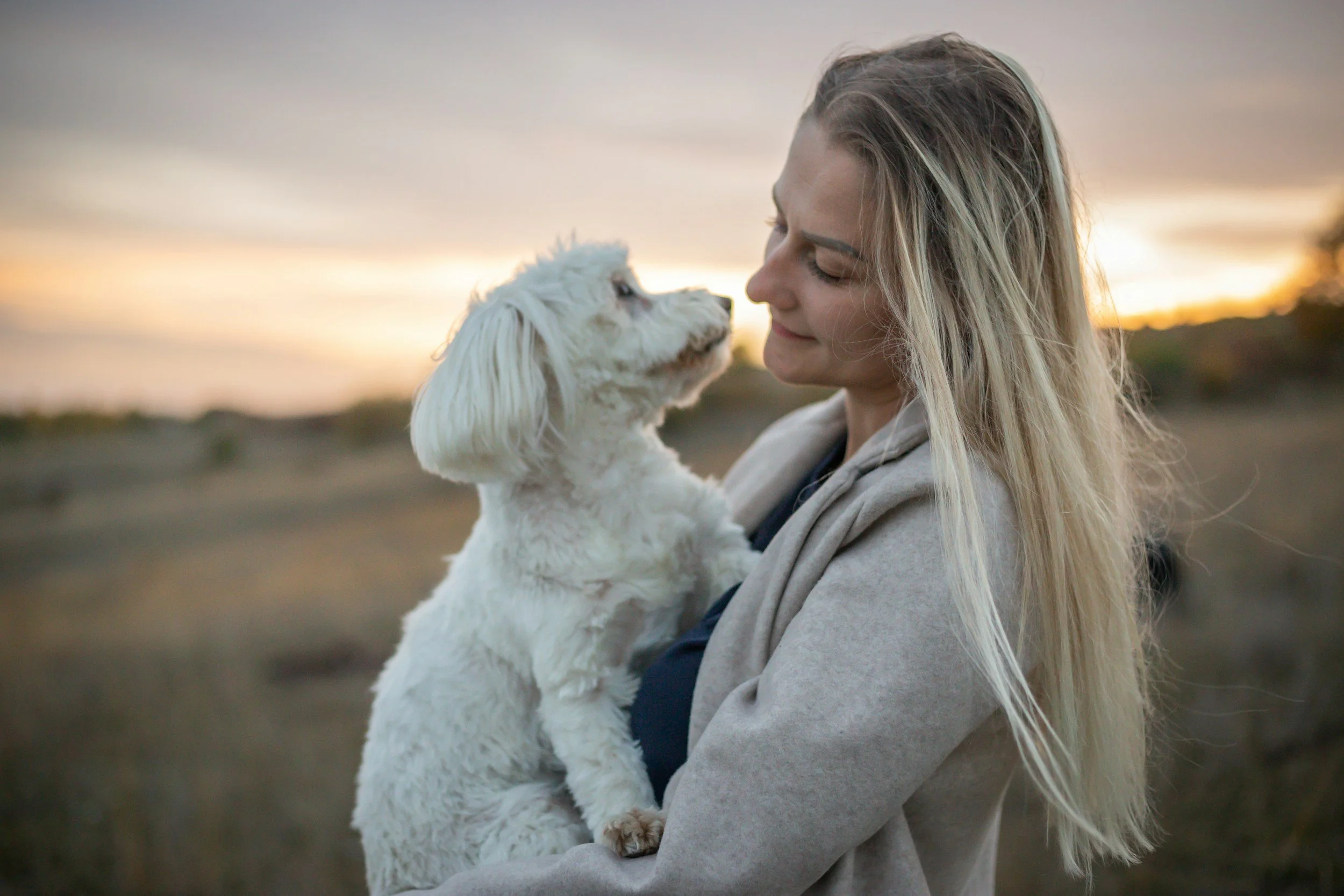
-

Physical Health and Wellbeing of Dogs in Schools
Ensuring a dog’s physical health is crucial. This includes providing proper nutrition, regular veterinary check-ups, and an environment that allows the dog to stay active and healthy while meeting the demands of school life.
-

Emotional Needs and Behavioural Management
Emotional welfare is just as important as physical care. Dogs, especially those in a school setting, must be supported with consistent routines and positive reinforcement to ensure they are emotionally stable and comfortable in the school environment.
-

Training and Socialisation for School Dogs
Dogs in schools should be trained to manage stress, adapt to a busy environment, and interact with a variety of people. Proper training ensures the dog can work safely alongside children and staff without causing distress.
-

Safety, Hygiene, and Ethical Considerations
Addressing safety concerns involves ensuring the dog is well-behaved and can tolerate being around children of all ages. Hygiene practices are critical to avoid potential health risks, and ethical considerations involve making sure that the dog’s welfare is not compromised by the school environment.

In this video, we'll explore how to keep your school dog happy and healthy, both physically and emotionally. We’ll cover the Five Freedoms of animal welfare, which provide a foundation for ensuring the well-being of dogs in a school setting. You’ll learn how to meet your dog’s physical needs, including exercise, nutrition, and regular veterinary care, as well as how to create a supportive environment that promotes emotional health. We’ll also discuss the importance of bonding, training, and providing downtime to help your dog thrive in the school setting. By the end of this video, you'll understand how to ensure your school dog remains a positive, supportive presence for students.
Keeping School Dogs Happy and Healthy – Physically and Emotionally
In this lesson, we will look at how to ensure your school dog stays physically healthy and emotionally content. A happy, healthy dog is crucial to their success in providing support and assistance to students.
We’ll also be referencing the Five Freedoms of animal welfare, which are widely accepted guidelines to ensure an animal’s well-being. These principles form the foundation of ethical treatment and care for animals, and are especially important in the school environment where dogs are expected to perform and interact with children.
The Five Freedoms:
Freedom from hunger and thirst – Providing adequate food and clean, fresh water at all times.
Freedom from discomfort – Ensuring a comfortable environment, with proper bedding and temperature control.
Freedom to express normal behaviour – Allowing dogs to engage in natural behaviours like sniffing, playing, and resting.
Freedom from pain, injury, and disease – Preventing and treating illness and injury promptly.
Freedom from fear and distress – Providing a stress-free environment, recognising signs of discomfort, and reducing unnecessary stressors.
These Five Freedoms apply to all dogs, but in a school environment, they must be tailored to meet the unique demands and challenges that come with working in this setting.
Physical Health – Meeting Basic Needs
Exercise – Why It Matters for School Dogs
Regular exercise is vital for a dog’s overall health, helping to prevent obesity, anxiety, and boredom. Dogs in a school setting may not get as much outdoor exercise as they would at home, so it’s important to plan for adequate physical activity during the day.
The type of exercise will vary based on breed, age, and temperament:
Dogs like Labradors might require more active exercise, including longer walks and play sessions.
Older or smaller breeds (like a Cavalier King Charles Spaniel) may prefer short, leisurely walks with fewer intense activities.
Suggested Exercises for School Dogs:
Walks: Provide regular walks outside the school environment. Aim for 2-3 walks per day, depending on the dog’s needs.
Sniffing breaks: Dogs have a natural instinct to sniff. Allowing your dog time to explore different smells is mentally stimulating and helps them relax.
Mental stimulation: Use toys or puzzle feeders to engage your dog’s mind.
Training sessions: Short, positive reinforcement-based training sessions throughout the day to reinforce good behaviour and mental engagement.
Ensure your dog’s exercise routine aligns with the school’s timetable. Don’t forget to adjust activities for special needs or periods of high-stress events such as assemblies or tests.
Nutrition – Fueling the School Dog
Good nutrition is fundamental to a dog’s health and well-being. Feed your dog a high-quality, nutritionally balanced diet suited to their age, breed, and activity level.
Portion control: Many dogs in a school environment are not as active outside of school hours, which can lead to weight gain. Adjust food portions according to the dog’s activity levels.
Dietary needs: Work with your vet to choose the best food for your dog. For example, active dogs may need higher protein, while older dogs may benefit from a diet designed to support joint health.
Hydration: Always ensure that your dog has access to fresh water throughout the day.
Veterinary Care and Preventative Health
Routine veterinary check-ups are essential. The dog should have:
Vaccinations: Ensure vaccinations (such as rabies, parvovirus, distemper) are up to date. Always have the vet’s contact details and emergency procedure to hand.
Parasite prevention: Regular flea, tick, and worm treatments as recommended by the vet.
Health checks: Annual vet visits to ensure the dog is in good condition and free from underlying issues.
Keep a health record that tracks vaccinations, treatments, and any special needs or conditions the dog may have.
Grooming and Dental Care
Brushing: Regular brushing helps prevent matting and promotes healthy skin and coat. It also allows you to spot any unusual signs like sores or lumps.
Ear cleaning: Regular ear checks and cleaning can prevent infections, especially in dogs with floppy ears.
Nail trimming: Keep nails trimmed to avoid discomfort or injury.
Dental care: Regular brushing (preferably daily) or using dog-specific dental chews to keep teeth and gums healthy.
Environmental Considerations
The school environment can present a range of challenges for dogs:
Temperature: Ensure the dog is not exposed to extreme temperatures (too hot or cold). Provide shaded areas and fresh water during warmer months.
Noise: Large groups of students can be overwhelming. Create a quiet, safe space where the dog can retreat if needed.
Flooring: Make sure floors are non-slippery to prevent falls, particularly for dogs with joint issues or older dogs.
Emotional Wellbeing – Feeling Safe and Fulfilled
Providing a Safe and Secure Environment
Dogs need a calm and secure space where they can retreat if needed. In a school setting, this is especially important as there can be unpredictable situations and noise levels.
Rest area: Provide a comfortable resting area for your dog, ideally in a quiet room or corner away from classroom bustle.
Access to breaks: Ensure your dog has regular opportunities to get away from the students and rest in a calm, private area.
Dogs can become overwhelmed by continuous interactions, so creating a predictable routine with sufficient rest periods is key to maintaining emotional health.
Bonding and Positive Relationships
The bond between the school dog and the students is vital. Dogs thrive when they have a consistent, positive relationship with their handler and students. Encourage respectful, calm interactions with students.
Clear boundaries: Teach children when to approach the dog and how to read signs of discomfort (e.g., growling, stiffening, or backing away).
Handle with care: Avoid using the dog as a tool for discipline or stress-relief; instead, the dog should be a source of calm and comfort.
Dogs also need emotional support from their handlers. Make sure the dog’s handler maintains their bond and works with the dog to build trust and a sense of safety.
Ongoing Training Needs
School dogs benefit from regular training sessions to maintain good behaviour and to reinforce boundaries. Training should focus on both practical obedience (e.g., sit, stay) and calming commands (e.g., “settle” or “go to bed”).
Short and regular training sessions are preferable to long, taxing sessions, especially in a school setting where distractions are plentiful.
Positive reinforcement: Always use praise, treats, or toys to reward desirable behaviour.
Training should be viewed as part of the dog’s daily routine and should be integrated into the school day to avoid stress.
Downtime – The Key to Keeping a School Dog Healthy
Recognising When Downtime is Needed
Signs of stress or fatigue in dogs may not always be obvious. It's essential to recognise subtle signals that your dog needs a break. These signs include:
Yawning
Lip licking or panting
Retreating to a quiet space
Excessive licking or chewing
Ensure that you monitor your dog closely, especially during busy school events, and provide them with regular breaks. These breaks should be an opportunity for the dog to rest and recharge.
School-Specific Challenges and Solutions
Managing Special School Events
School events such as assemblies, sports days, or open evenings can be overwhelming for dogs. It’s essential to have a plan for these occasions:
Preparation: Prepare your dog by exposing them to various school environments during quieter times, gradually increasing their exposure to louder, more bustling events.
Emergency exits: Plan for an easy exit route if the event becomes too stressful for the dog.
Seasonal Adjustments
Consider how different seasons affect the dog:
Summer: Dogs can suffer from heatstroke, so ensure they are kept cool and hydrated.
Winter: Keep the dog’s paws clean and dry in cold weather to avoid ice or snow buildup. In certain breeds, consider doggy coats or boots for comfort.
Emergency Protocols
Health Emergencies
Have a clear, well-communicated emergency protocol in place for any health emergencies, including:
First aid kit: Ensure it is stocked with dog-specific first aid supplies, such as bandages, antiseptic wipes, and tick removal tools.
Vet contact details: Keep the contact details of your vet or emergency vet service readily available.
Transport: Make arrangements for swift transport to the vet in the event of an emergency.
Behavioural Emergencies
In the event of behavioural concerns, such as aggression or extreme stress, ensure there is a clear process in place:
Removal from the situation: Immediately remove the dog from the stressful situation and assess their condition.
Behavioural support: Seek advice from an experienced canine behaviourist if needed.
Conclusion: Ensuring your school dog’s physical and emotional well-being requires thoughtful planning, regular maintenance, and a keen awareness of their needs. By understanding and meeting these needs, you ensure that the dog can continue to be an invaluable support for students, helping them thrive emotionally and academically.
Key Takeaways:
Physical and emotional care go hand in hand—your dog’s health will directly impact their effectiveness in a school setting.
Recognise and manage stress, providing plenty of opportunities for relaxation and rest.
Regular training, health checks, and mindful environmental adjustments are essential for keeping a school dog happy and healthy.
Paws for Thought
Before introducing a school dog into the environment, there are several important factors to consider. Take a moment to reflect on these key questions:
What is the emotional and physical health of the dog?
Before introducing a dog into the school environment, ensure that the dog is fit for the role. This includes regular veterinary check-ups, proper nutrition, and an understanding of the dog’s emotional needs.
Is the school environment suitable for a dog?
Consider whether the school setting is conducive to a dog’s welfare. A busy, noisy environment might be stressful for some dogs, and this needs to be evaluated beforehand to ensure the dog will thrive in the setting.
How will the dog’s behaviour be managed in a school setting?
Ensure that appropriate training is in place to address potential behavioural issues and that clear policies are established for interactions with students to maintain a safe and positive atmosphere for both the dog and children.
These are just a few of the questions you’ll need to consider as you plan the introduction of a school dog. Reflecting on these questions will help you create a thoughtful and balanced approach that benefits everyone in the school community.

Conclusion
Congratulations on completing Lesson 1 of Module 1! You've taken an important first step in understanding the historical evolution of the human-animal bond and the concept of anthropomorphism. Through this lesson, you’ve gained valuable insights into how these elements shape our perceptions and interactions with animals today.
Highlights of What You've Learned
The physical health of dogs in schools must be monitored to ensure their well-being.
Emotional care, training, and socialisation are essential for dogs to thrive in school environments.
Schools must implement safety, hygiene, and ethical practices to protect both students and the dog..
Next Steps
Develop a comprehensive care plan for the dog, including health monitoring, feeding schedules, and exercise routines.
Create a training plan that includes both behavioural management and socialisation to ensure the dog is comfortable in the school environment.
Establish safety and hygiene policies for students and staff interacting with the dog, including guidelines for handling allergies and phobias.
We look forward to seeing your continued progress and participation in this course. Keep up the excellent work!
-
This article provides tips on maintaining a dog's mental fitness through activities like food puzzles, social interactions, and regular playtime.
The Life of Riley+4morrisanimalfoundation.org+4Poll to Pastern+4