
Module 1: Introduction to Dogs in Schools
A school dog is more than just a friendly presence; it plays a carefully structured role to enhance the wellbeing of students and staff while ensuring their own welfare is prioritised. In this lesson, you will learn about the roles a school dog can perform, the responsibilities involved in their care, and the essential considerations for integrating a dog into a school setting.
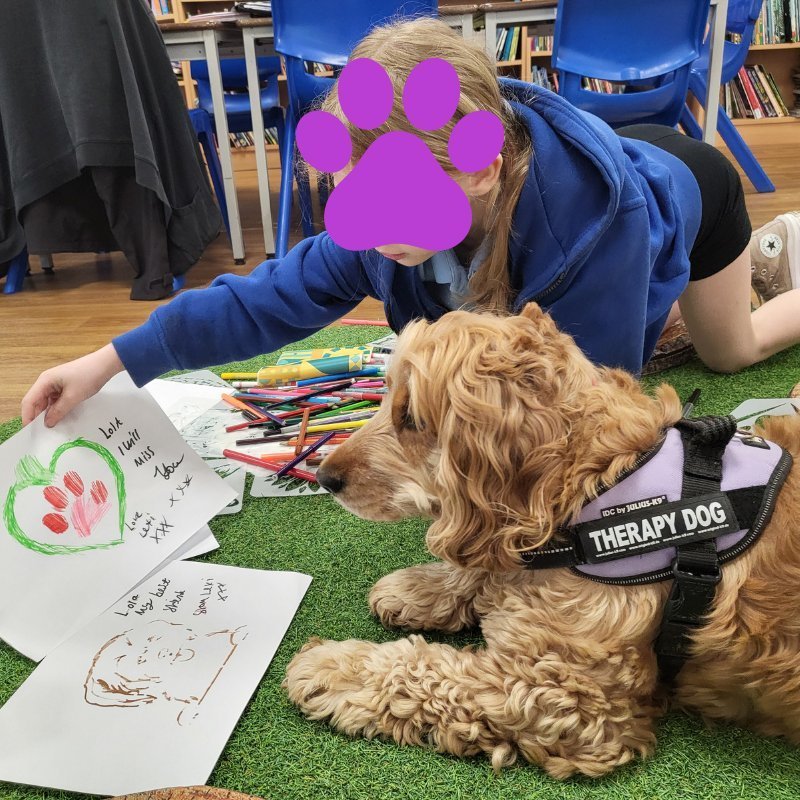
-

Roles of a School Dog
Understanding the emotional, academic, and social contributions a school dog can make to the school community.
-

Prioritising Welfare
Learning how to ensure the physical and emotional wellbeing of a school dog while balancing their responsibilities.
-

Responsibilities of Handlers and Schools
Exploring the critical tasks required to manage, train, and care for a school dog effectively.
-

Establishing Policies and Guidelines
Discovering the importance of clear rules, risk assessments, and education for safe and successful interactions with the school dog.

As we’ve already discovered, a school dog is more than just a friendly face in the classroom. It plays a carefully structured role in enhancing the wellbeing of both students and staff, while always prioritising the dog’s welfare. In this lesson, we’ll revisit the many important roles a school dog can fulfil, from providing emotional and academic support to promoting positive behaviour. We’ll also begin to raise some important questions about the responsibilities involved in their care and the essential considerations for successfully integrating a dog into a school environment. By the end of this lesson, you’ll have a clearer understanding of what’s needed to create a balanced and well-structured environment that supports both the dog and the wider school community. So, let’s dive in and get started!
The Roles and Responsibilities of a School Dog
Recapping the Role of a School Dog
Emotional Support
One of the most vital roles of a school dog is providing emotional support. When students are stressed, anxious, or overwhelmed—whether due to personal issues or academic pressure—the calming presence of a dog can offer immediate comfort. Unlike people, dogs provide non-judgemental companionship. Students don’t need to explain themselves or worry about being misunderstood. Simply sitting with a dog can help a student feel seen and soothed.
This is particularly powerful for children experiencing trauma, anxiety, or isolation. The emotional support of a dog can help them regulate their feelings and re-engage with school life in a more positive way.
Academic Support
Dogs can also play a surprising role in supporting learning. In many schools, dogs are used in reading programs where students read aloud to the dog, a non-threatening listener who helps ease performance anxiety.
But the support goes beyond reading—some schools include dogs in phonics and maths activities. When children are relaxed and feel emotionally safe, their capacity to engage in academic work increases. The dog becomes a quiet partner in learning, helping students focus and build confidence.
Promoting Positive Behaviour
Interacting with a dog teaches valuable life skills such as empathy, patience, and responsibility. Children learn to care for the dog, respect its space, and observe boundaries—all of which contribute to a calmer, more respectful learning environment.
Many schools also use the dog as a behavioural incentive: children demonstrating positive behaviours may earn time with the dog as a reward. This creates a strong, natural motivation for maintaining good behaviour.
Social Integration
For children who find social interaction difficult, a school dog can serve as a social bridge. The dog creates a shared point of interest and helps break the ice, encouraging interactions that might not happen otherwise. Simple acts like stroking the dog or giving it a treat can help children gain confidence and build social connections with peers and staff.
Prioritising the Welfare of the Dog
While the benefits of a school dog are vast, these cannot come at the cost of the dog’s wellbeing. A school dog is not a tool or resource—they are a sentient being with their own needs and limits. Just like students and staff, dogs thrive in environments where they feel safe, respected, and understood.
Why Welfare Matters
A relaxed, well-cared-for dog is more likely to engage positively with students. However, if a dog is overworked, stressed, or uncomfortable, it can develop behavioural issues and struggle to provide the support expected of them. Prioritising the dog’s needs is not just ethical—it’s essential for maintaining a safe and effective school program.
Safe Spaces and Rest
Before introducing a dog into school, ensure that a suitable quiet space is available for them to retreat to. This space should be calm, away from foot traffic, loud noises, or high activity areas like playgrounds. Ideally, it should be near the handler.
Without a designated safe zone, a dog may become overstimulated, increasing the risk of stress and burnout—yes, dogs can experience burnout too.
Exercise and Downtime
Dogs need a balance of exercise and rest. Adult dogs sleep 12–14 hours a day—roughly half of every 24-hour cycle. It’s vital that your school dog gets enough downtime during the school day. Dogs Trust recommends dogs should work no more than two hours per day.
Think about how this fits within your school timetable. Does the handler’s schedule allow for adequate rest breaks? Are these breaks non-negotiable and protected like any other essential need?
Working a dog too much, even with the best intentions, can lead to exhaustion and stress. Timetabling rest is as important as timetabling student sessions.
Responsibilities of the Handler and School Community
The Role of the Handler
The handler is the dog’s voice and primary advocate. Their responsibilities include:
Monitoring the dog for signs of stress or fatigue
Scheduling appropriate rest and exercise
Managing the dog’s interactions with students and staff
Meeting the dog’s basic needs (water, food, toilet breaks)
Being trained in dog behaviour and welfare
Understanding the legal and ethical implications of having a dog in school
Whole-School Support
The handler cannot do it alone. Everyone in the school must play a part:
Who ensures the dog has fresh water throughout the day?
Who takes the dog for toilet breaks if the handler is unavailable?
Are all staff aware of how and when the dog can be approached?
Do students understand the dog’s boundaries and signals?
Training sessions or workshops can help build a shared understanding across the school community, ensuring the dog’s welfare is always protected.
Practical and Financial Considerations
Daily Care Responsibilities
In addition to emotional and behavioural management, dogs have everyday care needs:
Access to clean drinking water
Regular, hygienic toilet breaks
Scheduled meals or snacks (if applicable)
A consistent routine with time for rest
Establishing a clear care schedule and delegating responsibilities will prevent these needs from being overlooked.
Financial Commitments
Bringing a dog into school also involves financial planning. Key expenses include:
Veterinary care (routine and emergency)
Insurance
Equipment (bed, lead, harness, enrichment toys)
Food, grooming, flea and worm treatments
Before a dog joins the school, it must be decided who is responsible for these costs—the handler, the school, or a shared arrangement. Some schools allocate a specific budget; in other cases, the handler takes full financial responsibility. These agreements must be formalised early to avoid conflict or unexpected costs later.
Final Thoughts
Creating a successful school dog program involves far more than simply bringing a dog into school—it requires careful planning, structure, and ongoing commitment to the welfare of the dog and the students.
As we move into the next lesson, we’ll explore legal considerations in more detail, including risk assessments and safeguarding. For now, reflect on the questions raised throughout this session. Identifying these considerations early on is the key to building a sustainable and ethical school dog program that truly benefits everyone involved.
Paws for Thought
Before introducing a school dog into the environment, there are several important factors to consider. Take a moment to reflect on these key questions:
How can your school ensure that the dog’s welfare is prioritised in their role?
Ensuring the dog’s welfare involves balancing their responsibilities with their needs for rest, comfort, and care. This includes providing a dedicated quiet space for the dog to retreat, adhering to a schedule that limits working hours, and monitoring their behaviour for signs of stress or fatigue. Regular health checks and ongoing training are also crucial to maintaining the dog’s wellbeing while allowing them to thrive in their role.
What steps can you take to prepare staff and students for interacting with a school dog safely and effectively?
Preparing staff and students involves educating them on safe and respectful interactions with the school dog. Staff should receive training on recognising the dog’s body language, managing their schedule, and implementing safety protocols. Students should be taught the importance of approaching the dog calmly, understanding when they needs space, and following hygiene practices like handwashing after contact. Clear guidelines and regular reminders can ensure consistent and positive interactions for everyone involved.
How will you assess and monitor the impact of the school dog on both students and staff?
Assessing and monitoring the impact of the school dog involves collecting regular feedback from both students and staff. Tracking metrics such as improvements in student behaviour, attendance, academic performance, or reductions in stress levels can provide measurable insights. Additionally, the dog’s welfare should be continuously evaluated by someone who fully understands them, ensuring they remain healthy, happy, and comfortable in their role.
These are just a few of the questions you’ll need to consider as you plan the introduction of a school dog. Reflecting on these questions will help you create a thoughtful and balanced approach that benefits everyone in the school community.

Conclusion
Congratulations on completing Lesson 3 of Module 1! You've made great progress in understanding the vital roles and responsibilities of a school dog and the importance of balancing their contributions with their wellbeing. In this lesson, you’ve gained valuable insights into how school dogs positively impact students and staff while emphasising the care and policies needed to ensure their success and welfare.
Highlights of What You've Learned
A school dog can play vital roles in emotional support, academic engagement, and social integration.
Ensuring the dog’s welfare is paramount, with responsibilities including proper training, health care, and rest periods.
Clear policies, risk assessments, and education for staff and students are essential for the successful integration of a school dog.
Next Steps
Conduct a welfare and suitability assessment for any dog being considered for a school setting.
Begin developing a comprehensive policy and risk assessment tailored to your school’s needs, covering the dog’s role, care, and interaction guidelines.
We look forward to seeing your continued progress and participation in this course. Keep up the excellent work!
-
This site provides guidance on how to care for dogs, including their welfare, which is important for the role of a school dog. -
Offers guidelines on animal welfare, important for school dogs to ensure their well-being is prioritised.
-
Provides standards for training and the ethical care of assistance dogs, relevant for understanding the broader context of dog roles in different settings.
-
This presentation by Anice Nascimento and Jennie Dapice identifies and reflects on the roles of assistance dogs vs dogs in AAI, and the characteristics needed for each role. Specifically desired behaviors, selection, socialization, and training needs of dogs in AAI are identified and discussed.
https://www.youtube.com/watch?v=Q-TbMyhO11g&ab_channel=AAAIP